Neuropathy Treatment in Sugar Land: Nonsurgical Nerve Pain Relief
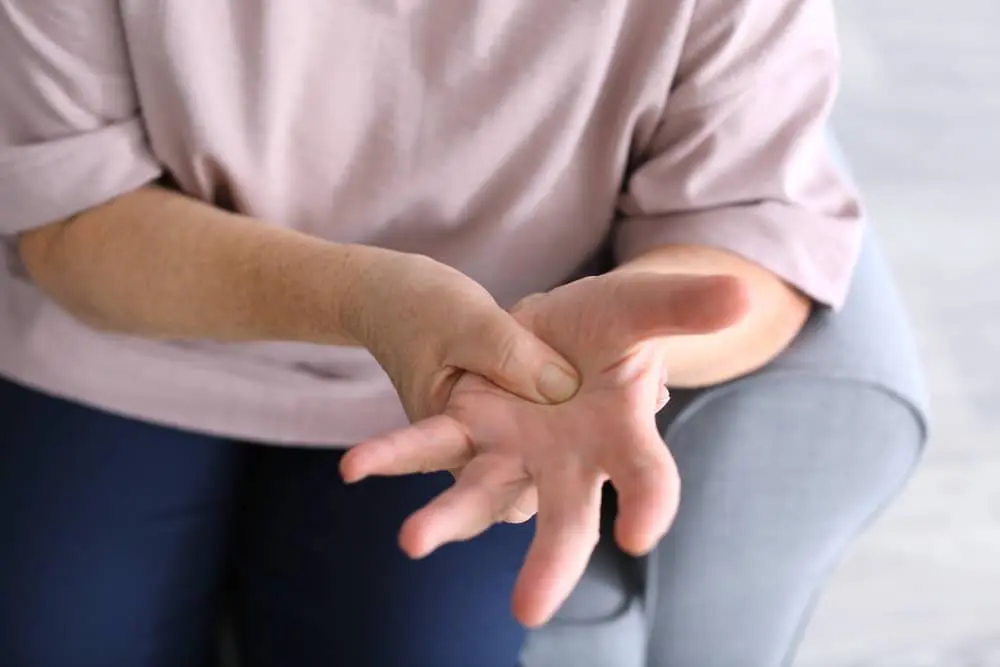
Burning, tingling, or numbness in your feet can make every step a challenge. If you have nerve pain affecting your hands or feet, you may have more options for relief than just medication or surgery.
Hogan Spine & Rehabilitation Center offers nonsurgical neuropathy treatment in Sugar Land to calm the source of nerve irritation behind your symptoms and support your body's own healing.
What Is Peripheral Neuropathy? Types that Sugar Land Patients See Most
Peripheral neuropathy happens when the nerves outside your brain and spinal cord are damaged or not working properly. It most often affects the hands and feet, leading to pain, numbness, or weakness. Millions of Americans live with these symptoms, according to the National Institute of Neurological Disorders and Stroke.
Your symptoms depend on which type of nerve is affected. Peripheral nerves are divided into three groups, and neuropathy can affect one or more at the same time:
Sensory nerves carry sensations, such as light touch, warmth, or the sting of a cut. When they misfire, you may notice tingling, burning, or numbness.
Motor nerves run the muscles you move on purpose, such as those for walking, gripping, or speaking. Damage here shows up as weakness or clumsiness.
Autonomic nerves regulate automatic functions such as heartbeat, digestion, and sweating. Problems in this group may affect blood pressure, digestion, or temperature control.
If neuropathy affects a single nerve, it is called mononeuropathy (for example, carpal tunnel syndrome). When many nerves are involved, it is called polyneuropathy, which is common in diabetes.
Knowing which type you have helps guide care. That’s why it’s important to get a proper assessment for peripheral neuropathy treatment in Sugar Land instead of trying to self-diagnose.
Symptoms of Neuropathy and When to Seek Care in Sugar Land
Your symptoms develop gradually, and the early signs can be mistaken for tired feet or a bad night’s sleep. Recognizing them sooner may help you seek care earlier and better manage discomfort.
Early Warning Signs
The first signs usually start in the toes or fingertips and can be easy to overlook:
Faint tingling or a pins-and-needles feeling in the toes or fingers
A sensation that your socks are bunched under your feet
Brief burning that may feel worse at night
Persistent burning or sharp, electric-shock pain as symptoms progress
Balance problems or muscle weakness in later stages
When Symptoms Mean It Is Time to Be Seen
Some symptoms call for urgent medical attention, not chiropractic care. Head to the emergency room if you notice:
Sudden, severe muscle weakness
Loss of bladder or bowel control
Numbness right after a fall or injury
It also helps to tell neuropathy apart from sciatica. Sciatic nerve pain often flares when you sit or first thing in the morning, while neuropathy symptoms tend to remain more constant.
What Causes Neuropathy: Diabetes, Chemo, Injury, and More
Neuropathy can develop for many reasons, but these are among the most common causes seen in patients. Understanding which applies to you is an important step toward managing symptoms and planning care.
Diabetic Neuropathy
Diabetes is the most common cause of neuropathy. The American Diabetes Association reports that about half of people with diabetes develop some form of diabetic neuropathy.
When blood sugar runs high for a long stretch, it may gradually affect the small nerves in your hands and feet first. Our diabetic neuropathy treatment in Sugar Land often works alongside your blood sugar management, in coordination with your primary doctor.
Chemotherapy-Induced Peripheral Neuropathy
Cancer treatment can sometimes affect the nerves. Chemotherapy-induced peripheral neuropathy is frequently linked to platinum-based chemotherapy, taxanes, and vincristine.
Symptoms may appear during chemotherapy and, for some, continue afterward. As a result, many patients look for supportive options beyond taking more medication.
Injury, Entrapment, and Idiopathic Causes
Trauma and pinched nerves can also lead to neuropathy, which includes conditions like tarsal tunnel syndrome, carpal tunnel syndrome, or issues from past injuries or surgeries. In some cases, there isn't a clear cause, which is called idiopathic neuropathy. If this applies to you, we will explain it clearly rather than speculate.
Less common contributors to neuropathy include vitamin B12 deficiency, autoimmune conditions such as Guillain‑Barré syndrome or lupus, infections like shingles or Lyme disease, and heavy alcohol use.
How We Treat Neuropathy at Hogan Spine & Rehabilitation: MLS Laser + Chiropractic Protocol
Our nonsurgical treatment for neuropathy in Sugar Land involves two methods, along with home care, to address nerve irritation.
MLS Laser Therapy
Our MLS laser therapy for neuropathy in Sugar Land may help reduce inflammation around irritated nerves and support your body’s natural healing response. This safe, multiwave laser system is designed to stimulate cell activity.
Sessions are typically brief and noninvasive, and many patients tolerate them well without needing recovery time. We often recommend this therapy for patients managing diabetes or recovering from chemotherapy.
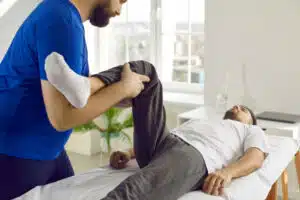
Chiropractic Adjustment and Soft Tissue Work
Our chiropractic adjustments can help relieve pressure on pinched nerves in your spine, which can cause discomfort in your limbs. may also support recovery by addressing scar tissue from past injuries or surgeries.
This combination can help manage neuropathy symptoms in the feet by focusing on areas that may be compressing the nerves.
Home Care and Coordination
We create a plan that includes exercises you can do at home. If you have diabetes, we will also provide guidance on managing your blood sugar in coordination with your primary care doctor or endocrinologist.
Catching neuropathy early may improve how well symptoms can be managed. If nerve changes have been severe or ongoing, improvement may be limited, but care can often help lessen discomfort.
Comparing Your Neuropathy Treatment Options: Nonsurgical vs Interventional vs Medication
There are three main approaches to managing nerve pain. The most appropriate option depends on your individual situation. Here’s a simple comparison of how they differ:
Feature
Nonsurgical(MLS Laser + Chiropractic)
Interventional(Nerve Blocks / Stimulator)
Medication(Gabapentin, Pregabalin)
Approach
May help ease irritation in the nerves and support recovery
Blocks or overrides pain signals, sometimes with implanted devices
Helps manage pain signals
Best for
Early-to-moderate neuropathy and entrapment
Severe pain that has not responded to conservative care
Short-term symptom relief
Typical course
A series of in-office sessions with supportive home care
Procedures that may involve implanted devices
Ongoing daily use
Common side effects
Generally well‑tolerated, noninvasive
Higher risk, longer recovery
Possible side effects such as drowsiness, weight gain, or mental fog
Does it repair the nerve?
May help manage symptoms and support nerve function
No
No
For most patients, starting with a nonsurgical option is a reasonable first step. If symptoms remain difficult to manage, medication or interventional treatments may be considered next in coordination with your healthcare provider.
Why Sugar Land Patients Choose Hogan Spine & Rehab for Neuropathy Treatment
Hogan Spine & Rehabilitation has been voted the Best Chiropractor in Sugar Land and Fort Bend County since 2019. We focus on nerve‑related care and use modern equipment and techniques to provide chiropractic services that reflect current best practices.
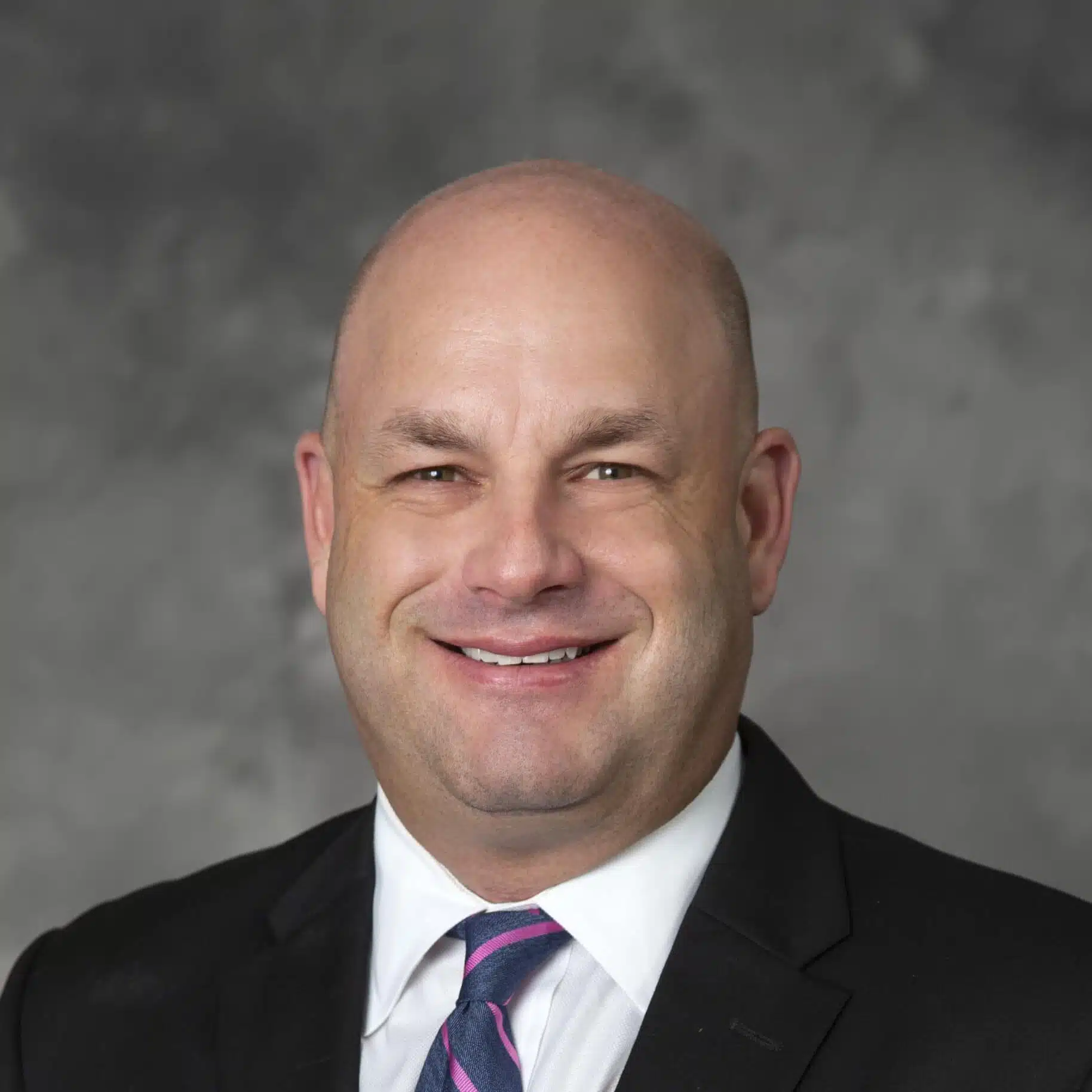
Meet Dr. Jeff Hogan, DC
Dr. Hogan is a Sugar Land native and Parker College of Chiropractic graduate with over two decades of clinical experience in Texas. A prominent community leader and member of the Texas Chiropractic Association, he serves on the board of the Fort Bend Chamber of Commerce and was honored as a Medical Honoree by the Arthritis Association in 2019.
As an experienced neuropathy specialist in Sugar Land, he reviews each case individually and helps guide patients toward options that fit their needs.
Insurance plans we accept
We work with most major insurance carriers and will verify your benefits prior to your visit. Upon request, our team will be happy to review your benefit information and provide you with a breakdown of your expected coverage and out-of-pocket responsibility.
Following your visit, we will file your insurance claim for services rendered as a courtesy. Please note that verification of benefits is not a guarantee of payment, and your insurance carrier ultimately determines coverage and patient responsibility.
What our neuropathy patients say
Our patients tell the story best. Hear it straight from one of our patients as he shares how treatment helped him get back to daily life.
Book Your Sugar Land Neuropathy Consultation
Nerve pain can make daily life challenging, but care is available to help manage symptoms. The sooner you learn what may be causing your discomfort, the sooner you can explore options to support your nerve health.
Our neuropathy treatment in Sugar Land is nonsurgical and focuses on easing irritation that may contribute to your pain. It is designed to help manage symptoms and support recovery rather than simply mask them. Call (281) 240-2225 or schedule an appointment online.
Frequently Asked Questions
Hogan Spine & Rehabilitation often recommends combining MLS laser therapy and chiropractic care to help ease nerve irritation without medication or surgery. This approach may support symptom management and overall nerve function.
The MLS laser system uses two wavelengths simultaneously: one aimed at reducing pain and the other at supporting tissue recovery. In comparison, a standard cold laser typically uses a single wavelength at lower intensity.
The dual-wavelength method is designed to reach deeper into tissue, which may be useful for patients managing conditions such as diabetic neuropathy or nerve changes after chemotherapy.
It depends on how advanced the nerve changes are. Early cases, like those linked to pinched nerves or recent diabetes-related changes, may improve with nonsurgical treatment. When nerve changes are more severe or long‑standing, improvement is often limited, though symptoms can sometimes be better managed. Seeking care early may improve how well symptoms respond to treatment.
Hogan Spine & Rehabilitation works with most major insurance carriers and will verify your benefits before your visit. Just ask, and our team will review your coverage and walk you through what to expect for out-of-pocket costs, so there are no surprises.
Medications like gabapentin or pregabalin are prescribed to manage nerve pain signals. Nonsurgical care takes a different route, using MLS laser therapy and chiropractic care to help reduce neuropathy symptoms and support nerve function. Always consult your prescribing doctor before making any changes to medication.
Get Your Consultation Today
And Come Discover Why We Are Sugar Land's Top Choice For Pain Relief and Rehabilitation
Dr. Hogan is a Sugar Land native and Parker College of Chiropractic graduate with over two decades of clinical experience in Texas. A prominent community leader and member of the Texas Chiropractic Association, he serves on the board of the Fort Bend Chamber of Commerce and was honored as a Medical Honoree by the Arthritis Association in 2019.