Targeting the Root Causes of Headaches and Migraines
Your recurring headaches aren’t always random occurrences or bad luck. Migraines or tension headaches that keep returning can signal underlying stress patterns in the neck, nervous system, or posture, even if the pain seems unpredictable.
Can symptom-focused headache and migraine treatment address the root cause? While taking a pill can provide meaningful relief, it doesn’t always explain why the pain keeps resurfacing.
Knowing the difference between short-term relief and addressing deeper contributors can make a significant difference in how often headaches return.
When head pain strikes, most people reach for whatever will stop the pain fast, like over-the-counter medication or prescriptions. OTC options offer quick relief for mild to moderate headaches, while prescription medications target more severe migraine episodes, constricting blood vessels or pain pathways in the brain.
In the moment, these medications can feel like lifesavers, reducing pain within hours and helping you get back to your day. But symptom-focused treatments often work like hitting the snooze button on an alarm clock: they quiet the pain signal without asking why your body is sounding that alarm in the first place.
Root-cause care goes beyond momentary relief. Instead of simply masking the discomfort, it investigates why headaches persist. This technique looks for underlying imbalances or stressors that may be causing migraines and resolves them directly.
For some people, that might mean addressing postural difficulties, reducing chronic stress, improving sleep habits, or identifying nutritional and environmental triggers.
Cognitive-behavioral therapy (CBT) for stress management
Lifestyle changes for resilience
Newer treatments like neuromodulation therapy
Focusing on these deeper factors helps you achieve not only fewer headaches, but also a lasting sense of relief.
Symptom Relief vs Root Cause Treatment: When to Use Each
Here’s a quick look at when each approach is used and what to expect.
Approach
When It’s Most Useful
Key Benefits
Limitations
Symptom-Focused Treatment
Acute headaches or migraines that disrupt daily function
Fast, noticeable relief that helps you get through the day
Short-term only, risk of rebound headaches, medication dependency, and masking the real issue
Root-Cause Treatment
Frequent or recurring headaches with identifiable triggers
Targets posture issues, spinal misalignment, stress, hormones, sleep, diet, and environmental factors for longer-term relief
Results take time and depend on an accurate diagnosis
Symptom-focused chronic headache solutions provide fast relief by easing pain, while root-cause treatment targets what’s triggering headaches in the first place. When used together, they support both immediate comfort and long-term reduction in headache frequency and intensity.
When to Seek Professional Care?
When headaches become more frequent, more severe, or start disrupting work, sleep, or daily life, it’s a sign the issue may be more than occasional discomfort. Symptoms that don’t improve with appropriate OTC medication can indicate an underlying cause that hasn’t been properly addressed.
FAQs: Understanding Headache and Migraine Treatment Options
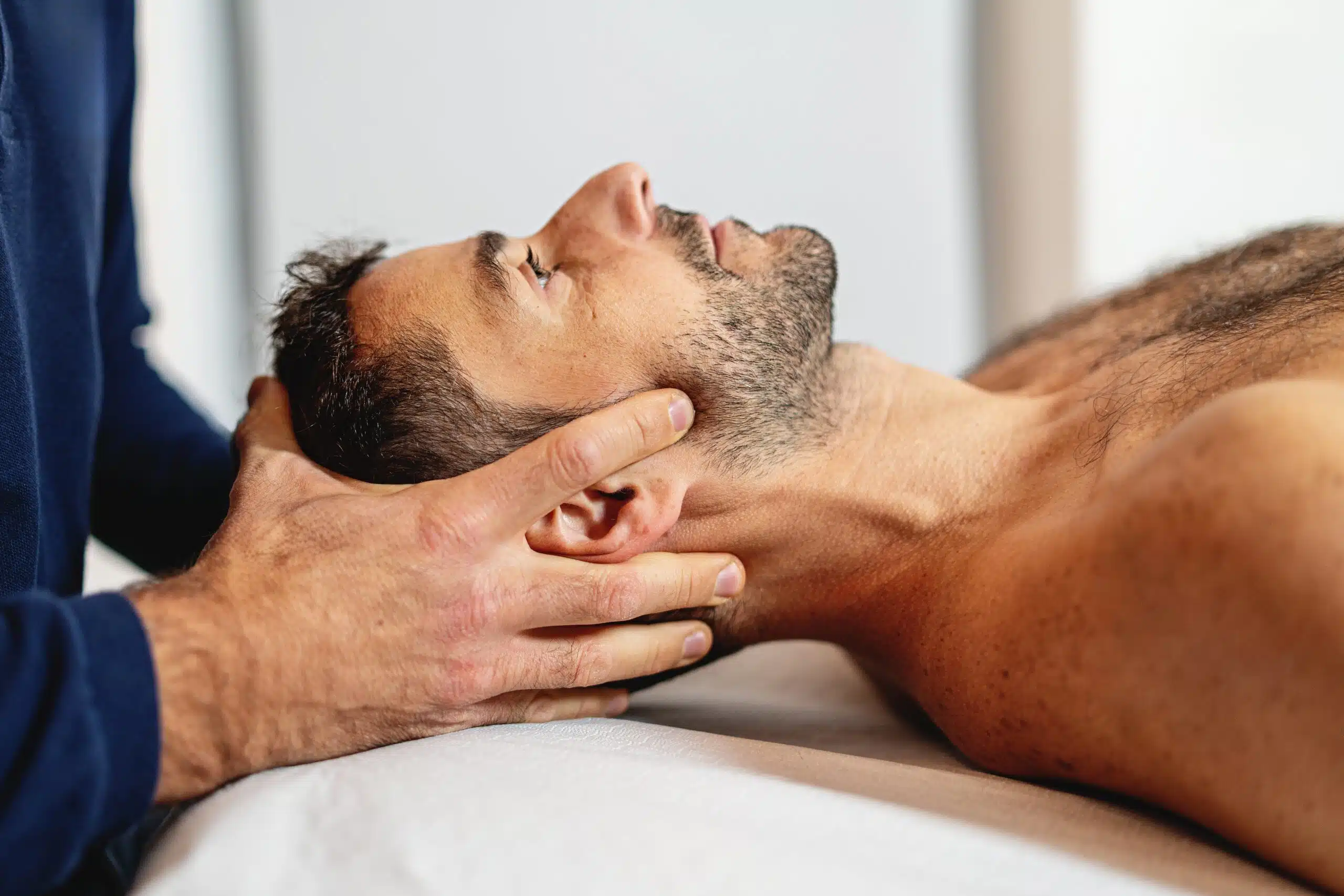
Yes, chiropractic care can help treat migraines naturally by addressing spinal tension, posture issues, and joint restrictions that often contribute to repeated headache symptoms. Many find it a useful complement to standard care.
Yes. Natural ways to complement headache and migraine treatment include improving posture, managing stress, getting consistent sleep, staying hydrated, and identifying dietary or environmental triggers. They can make a huge difference alongside medical care.
If your headaches worsen after long hours at a desk, looking down at screens, or moving your neck, and you also feel stiffness in the shoulders or neck, posture or spinal strain may be to blame.
It’s time to see a health provider if your symptoms become frequent, intense, disrupt your daily routine, or stop responding to over-the-counter medicine. And if you ever have a sudden, severe headache with vision problems, weakness, or confusion, seek emergency medical attention immediately.
Yes. Addressing underlying drivers like stress, sleep habits, or dietary triggers, can reduce the need for medication by lowering headache frequency and intensity through targeted, long-term headache management.
Long-Term Headache and Migraine Relief Starts with the Right Focus
Can symptom-focused headache and migraine treatment address the root cause? Not on its own. Symptom-focused care eases the intensity of an attack to help you get through the day, but root-cause treatment looks deeper at why the pain keeps coming back.
The most effective approach is usually combining symptom-focused treatments and addressing underlying headache and migraine triggers to prevent future episodes. Together, they form a more holistic approach to long-term comfort and improved quality of life.
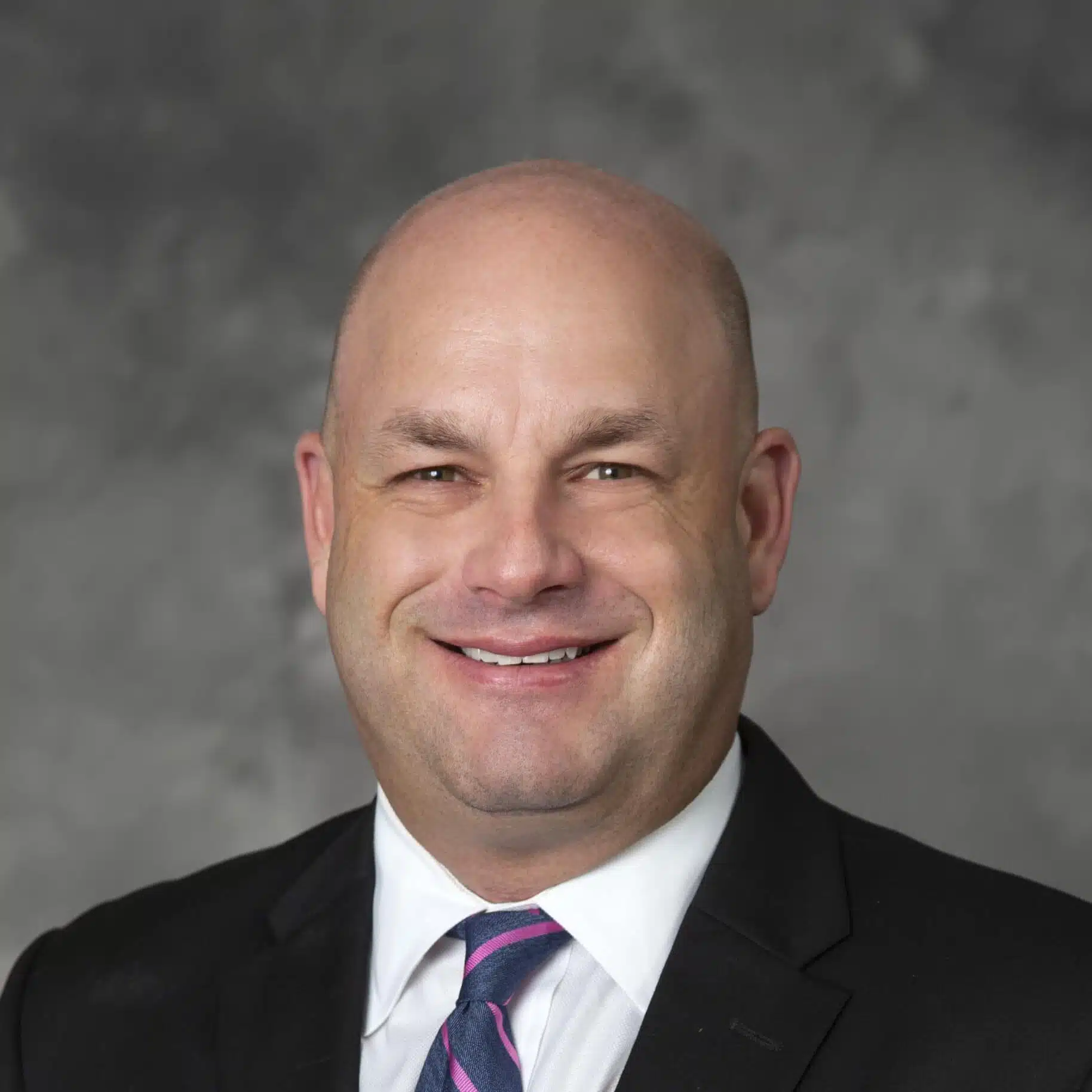
Dr. Hogan is a Sugar Land native and Parker College of Chiropractic graduate with over two decades of clinical experience in Texas. A prominent community leader and member of the Texas Chiropractic Association, he serves on the board of the Fort Bend Chamber of Commerce and was honored as a Medical Honoree by the Arthritis Association in 2019.
If a treatment package is purchased during the event, the $49 session fee will be applied toward the package, plus an additional $50 discount (a total savings of $99).