5 Ways to Relieve Chronic Headaches Without Medication
Do your headaches keep coming back? If so, you’re likely not looking for general advice. You need relief that addresses the root of the problem and allows you to function normally again.
Medication helps in the short term, but it’s much better to manage recurring headaches without taking meds every time your symptoms flare up. Thankfully, drug-free options like chiropractic care and lifestyle changes can address the root cause of your pain and restore your quality of life.
Why Medication Alone May Not Be Enough
Painkillers are usually the first thing people reach for when a headache strikes. However, they don’t always solve the problem, especially among people with chronic conditions.
One concern is the risk of developing rebound headaches, also called medication overuse headaches (MOH). These occur when the body becomes accustomed to frequent doses, leading to even worse headaches as the medicine wears off. This creates a frustrating cycle where you continue to endure persistent pain despite increasing your dosage.
What’s more, painkillers often address symptoms instead of the underlying trigger. If your headaches are linked to spinal misalignment or postural strain, ergonomic adjustments and chiropractic care may help. Other causes may require a different medical evaluation.
This isn’t to say medications are bad. They help improve your comfort, especially when used appropriately during treatment. However, your priority should be to address the root of your condition to prevent recurrence and achieve lasting headache relief without relying solely on medication.
1. Chiropractic Adjustments
In many cases, recurring headaches may be due to issues in your neck or cervical spine. When the joints and muscles in this area aren’t moving as they should, they can place undue pressure on nearby tissues and refer pain upward, resulting in what’s known as a cervicogenic headache.
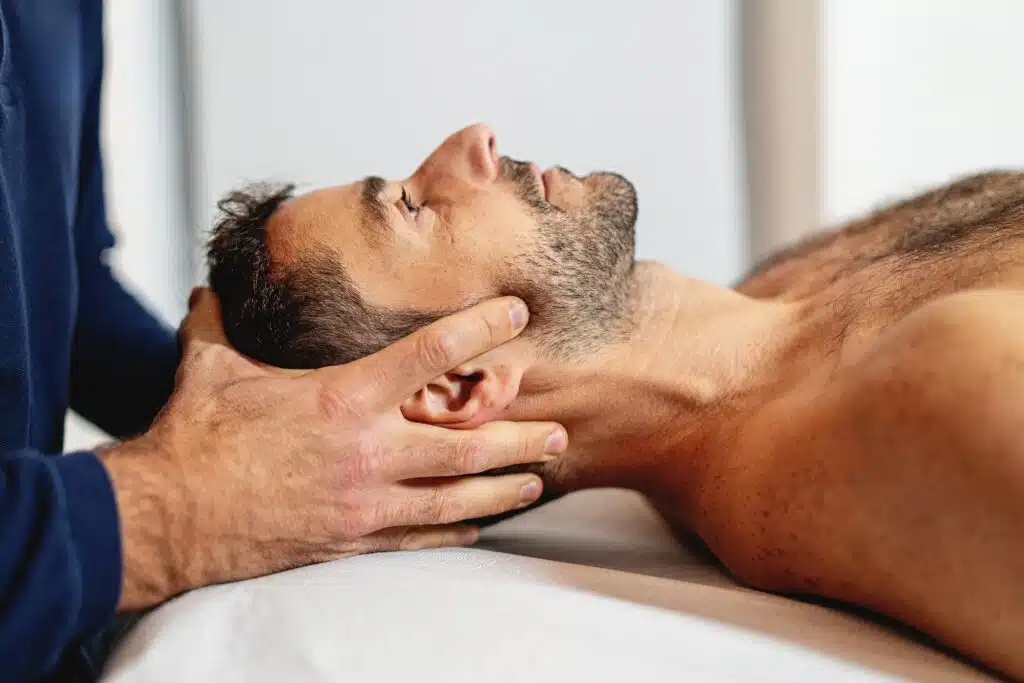
Chiropractic care for headaches helps by using gentle, controlled adjustments to your cervical spine. These adjustments improve its alignment and mobility, easing pressure on surrounding muscles and tissues and supporting healthier movement patterns. All of these effects may lessen headache frequency and intensity.
2. Hydration and Nutrition
It’s a common mistake to assume that headaches are only caused by physical tension. Often, your internal chemistry is the real culprit. Poor hydration from insufficient fluid intake or conditions like vomiting and diarrhea can trigger headaches.
Likewise, a diet lacking essential nutrients, such as magnesium and vitamin D, can trigger migraines. Eating salty and processed foods, or those with MSG or the artificial sweetener aspartame, can also lead to intense headaches. These ingredients often act as chemical triggers that irritate your system.
There are simple dietary changes you can start with to prevent hydration and nutrition-related headaches:
Drink plenty of water, especially if you’re physically active. Consider carrying a reusable water bottle to make hydration convenient throughout the day.
Limit caffeine and alcohol, as they can cause dehydration and raise your blood pressure.
Eat balanced meals rich in nutrients and low in added or artificial sweeteners and MSG.
3. Posture Correction and Ergonomics
The goal is to restore a neutral alignment by correcting your sitting posture. Keep your feet flat on the floor, with your knees at hip level. Relaxing your shoulders and sitting tall allows your spine to support your head's weight without straining your neck.
Beyond basic posture, these ergonomic adjustments can help significantly:
Keep your screen at eye level to prevent the forward-head tilt that can overwork your neck muscles.
Use a cushioned chair with an armrest and lumbar support. This reduces the load on your lower back and shoulders.
Position your keyboard and mouse comfortably, so you don't have to shrug your shoulders while you work.
Take short, frequent breaks from sitting to reset your nervous system and prevent muscle fatigue.
4. Gentle Stretching and Self-Care
Tightness around your neck, shoulders, and upper back actually dictates the frequency of your headaches. The muscles tighten and often irritate nearby nerves, referring pain directly into your head. Addressing this soft tissue tension is essential to disrupt the cycle of discomfort and prevent escalation.
Incorporating a few simple movements into your day can lower the risk of neck-related headaches, especially during long periods of sitting. Neck tilts and rotations release tension around your cervical spine, while shoulder rolls keep your upper back loose.
You may also use temperature therapy as a home-care strategy. Use heat to relax tight muscles around your neck, shoulders, and head. If you have an active headache, a cold compress can help dull the pain and reduce inflammation, keeping you comfortable as you recover.
5. Stress Management and Relaxation Practices
Periods of intense stress not only affect mood but also trigger your body’s fight-or-flight response, causing your muscles to tense up involuntarily and induce tension-type headaches or even full-blown migraines. This is why proactive stress management is crucial for preventing chronic pain.
A good way to start is through breathing exercises and meditation when you’re stressed. This signals your nervous system to return to a relaxed state. Physical activity, such as sports, yoga, or walking, is also highly effective because it triggers the release of endorphins, your body’s natural painkillers.
Done consistently, these practices help reduce stress and enable your body to handle difficult situations more effectively, without defaulting to a headache.
When to Seek Professional Care
While you can manage most headaches with lifestyle changes and self-care, unusual symptoms may indicate that your nervous system is under significant distress. These signs often require a professional evaluation and clinical approach to chronic headache treatment.
Sudden, severe headaches for seemingly no reason
Dizziness, numbness, and other tingling that accompany the pain
Persistent headaches that last for several consecutive days
Headaches occurring after an injury or accident, which could be from a concussion
A thorough evaluation can help determine the underlying causes of your pain and rule out serious conditions. Don’t hesitate to reach out—Hogan Spine & Rehabilitation Center provides comprehensive assessments, personalized treatment plans, and ongoing support needed to help restore your quality of life.
Frequently Asked Questions
Many chronic headaches are not isolated events but are caused by a combination of physical and lifestyle factors. Muscle tension, high stress, and poor posture are common culprits, along with physiological triggers such as dehydration and frequent sleep disturbances.
When a headache stems from the neck or posture, it’s clinically referred to as a cervicogenic headache. These typically begin as localized neck pain or stiffness that eventually spreads into the head. A professional evaluation can help confirm if your spine is the source of the discomfort.
Yes. When performed by a qualified professional, chiropractic care is considered a safe and evidence-based approach for most patients. It serves as a crucial part of a broader headache treatment plan, addressing misalignments that often trigger pain.
Absolutely. Clinically, spinal adjustments help restore proper alignment, which can immediately relieve mechanical muscle tension that causes tension-type headaches.
It’s crucial to consult a healthcare professional if you experience recurring headaches that:
Last for several days without relief
Worsen in frequency or intensity over time
Present alongside neurological symptoms like dizziness or numbness
Develop immediately after an injury or accident
Your provider can identify the root cause of your condition and prescribe the appropriate treatment to ease your pain and prevent recurrence.
Key Takeaways
Painkillers aren’t your only option for relief from chronic headaches. Many people have benefited long-term by shifting to the chronic headache treatments discussed here, which address the root cause, so you can effectively manage your symptoms and regain your quality of life without medication side effects.